





Can off grid inverters handle surge and inductive loads?
- Off-Grid Inverter Buying Guide: Key Considerations for Your Off-Grid Power System
- 1. What is the required power capacity for my off-grid inverter?
- 2. What types of waveforms do off-grid inverters produce, and which is suitable for my needs?
- 3. How do surge capacities affect inverter selection?
- 4. Can off-grid inverters handle inductive loads?
- 5. What is the importance of matching the inverter's input voltage with my battery system?
- 6. How do environmental conditions impact inverter performance?
- 7. What maintenance is required for off-grid inverters?
- 8. How do I ensure my inverter is compatible with my off-grid system?
- Conclusion: Why Choose Congsin for Your Off-Grid Inverter Needs?
Off-Grid Inverter Buying Guide: Key Considerations for Your Off-Grid Power System
When setting up an off-grid power system, selecting the right inverter is crucial for ensuring a reliable and efficient energy supply. Below are key considerations to guide your decision-making process:
1. What is the required power capacity for my off-grid inverter?
The power capacity of your off-grid inverter should align with the total continuous power consumption of your appliances. It's advisable to choose an inverter with a continuous power rating slightly higher than your total load to accommodate any unforeseen power surges. For instance, if your appliances collectively consume 3,000 watts, selecting an inverter rated at 3,500 to 4,000 watts would provide a safety margin.
2. What types of waveforms do off-grid inverters produce, and which is suitable for my needs?
Off-grid inverters typically produce three types of waveforms:
Square Wave Inverters: These are cost-effective but produce a low-quality output waveform, which may not be compatible with sensitive electronic devices.
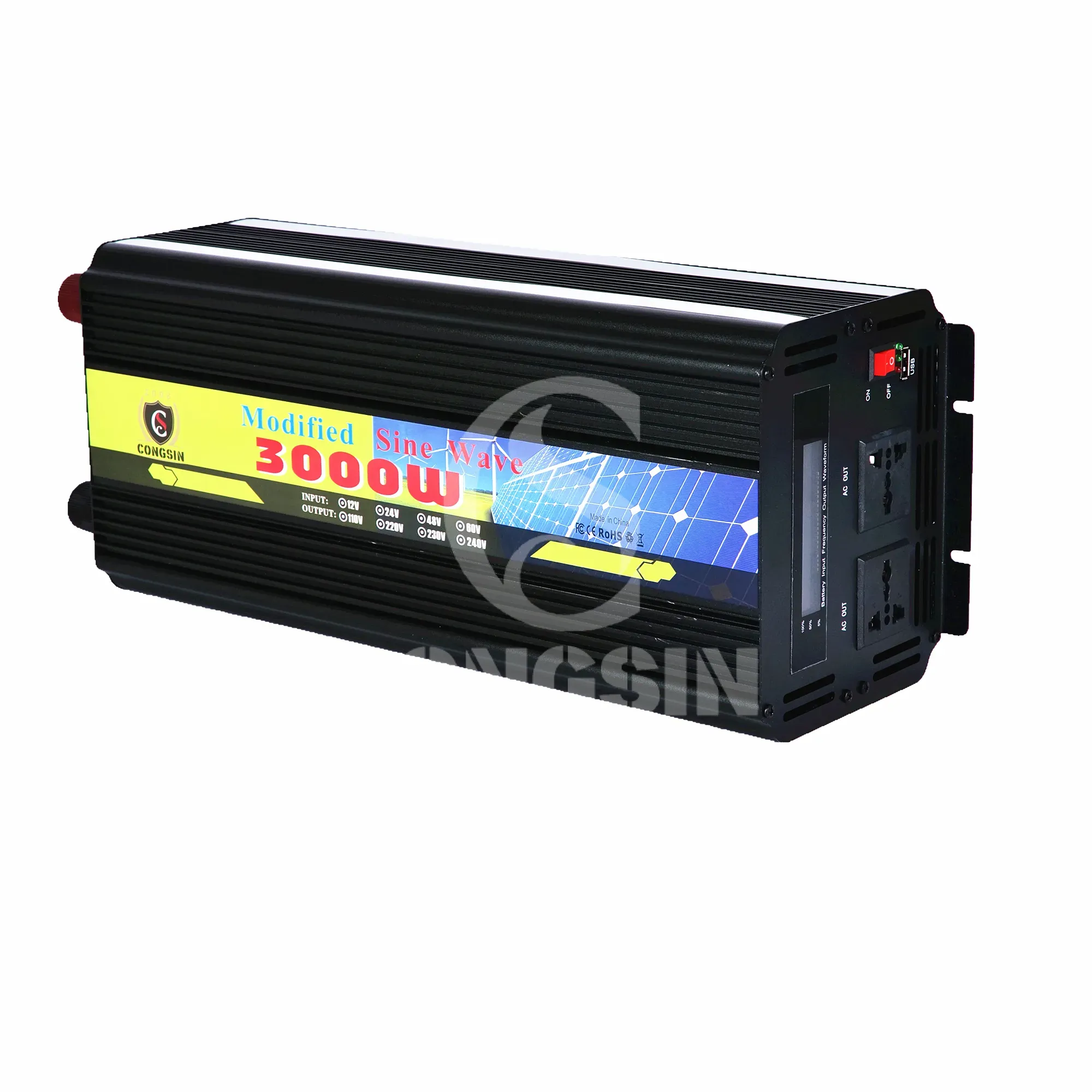
Modified Sine Wave Inverters: These offer a waveform that is a step up from square wave inverters and are suitable for less sensitive devices but may still cause issues with some electronics.
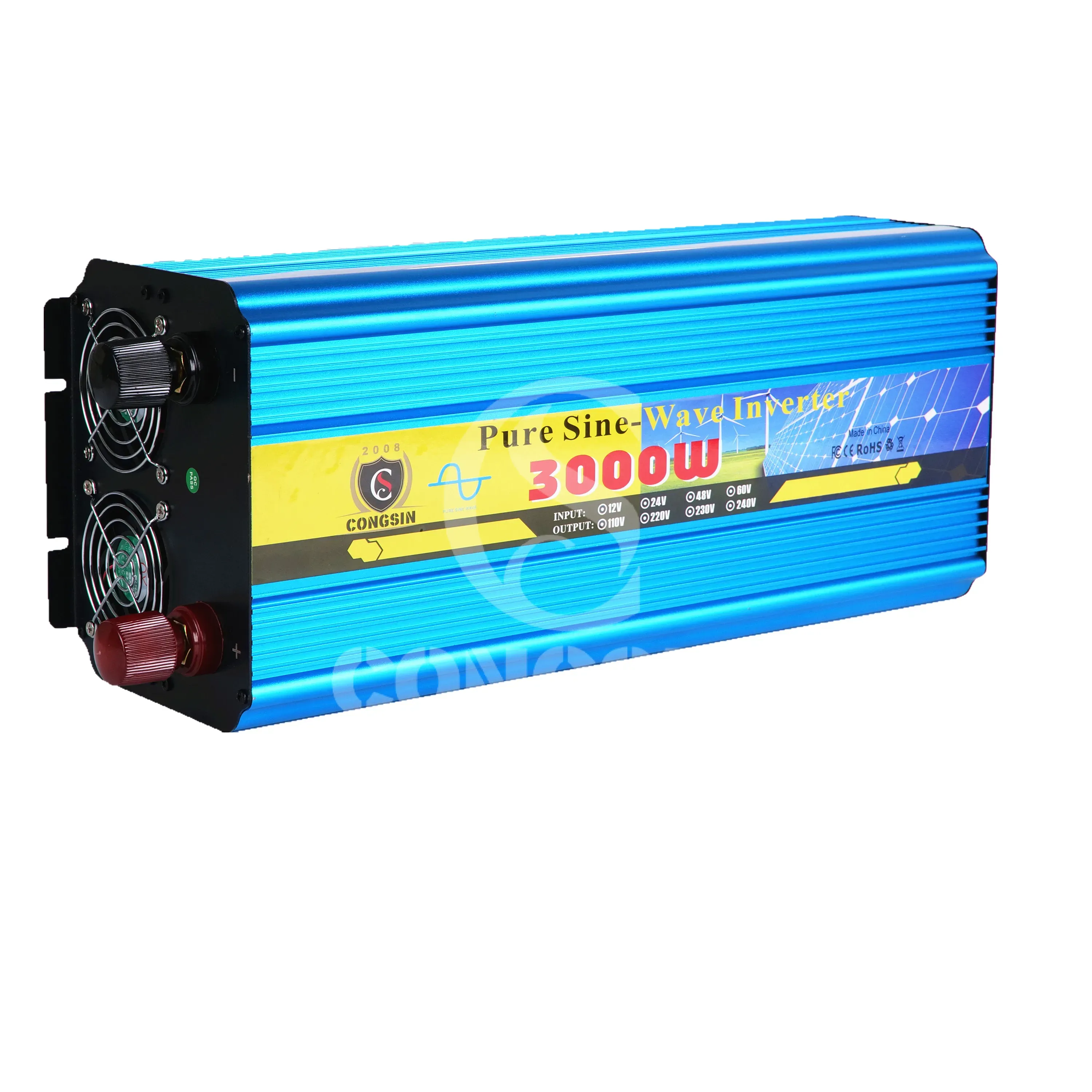
Pure Sine Wave Inverters: These provide a high-quality output waveform identical to grid power, making them ideal for all types of appliances, including sensitive electronics.
For most off-grid applications, especially when powering sensitive equipment, a pure sine wave inverter is recommended.
3. How do surge capacities affect inverter selection?
Appliances with motors, such as refrigerators, air conditioners, and water pumps, often require a surge of power upon startup, typically 3 to 7 times their running wattage. To accommodate these surges, it's essential to select an inverter with a surge capacity that meets or exceeds the highest surge requirement of your appliances. For example, if your refrigerator requires a 2,000-watt surge, ensure your inverter can handle at least that surge.
4. Can off-grid inverters handle inductive loads?
Inductive loads, like motors and compressors, present challenges due to their high inrush currents at startup. Not all inverters are equipped to handle these loads effectively. It's crucial to choose an inverter specifically designed to manage inductive loads to prevent potential damage and ensure reliable operation.
5. What is the importance of matching the inverter's input voltage with my battery system?
The inverter's input voltage should correspond with your battery bank's voltage to ensure efficient power conversion and system stability. Common configurations include 12V, 24V, and 48V systems. For larger setups, a 48V system is often more efficient, as it requires less current, reducing cable size and minimizing power loss.
6. How do environmental conditions impact inverter performance?
Environmental factors such as temperature, humidity, and dust can significantly affect inverter performance and longevity. In tropical or desert environments, inverters may experience reduced lifespans if not adequately protected. Installing inverters in well-ventilated, dust-free, and temperature-controlled environments can help mitigate these effects.
7. What maintenance is required for off-grid inverters?
Regular maintenance is essential to ensure optimal inverter performance. This includes periodic inspections, cleaning of vents and cooling systems, firmware updates, and monitoring for any signs of wear or malfunction. Proactive maintenance can extend the lifespan of your inverter and prevent unexpected failures.
8. How do I ensure my inverter is compatible with my off-grid system?
To ensure compatibility, consider the following steps:
Calculate Total Power Requirements: Sum the continuous and surge wattages of all appliances you intend to power.
Select an Appropriate Inverter: Choose an inverter with a continuous power rating that meets or exceeds your total power requirements and a surge capacity that accommodates the highest surge demand.
Verify Input Voltage Compatibility: Ensure the inverter's input voltage matches your battery bank's voltage.
Consider Environmental Factors: Choose an inverter rated for the environmental conditions of your installation site.
By carefully evaluating these factors, you can select an off-grid inverter that ensures a reliable and efficient power supply for your off-grid system.
Conclusion: Why Choose Congsin for Your Off-Grid Inverter Needs?
Congsin offers a range of high-quality off-grid inverters designed to meet diverse power requirements. With a focus on durability, efficiency, and user-friendly features, Congsin inverters are engineered to provide reliable performance in various off-grid applications. Their commitment to quality and customer satisfaction makes them a trusted choice for those seeking dependable off-grid power solutions.
References:


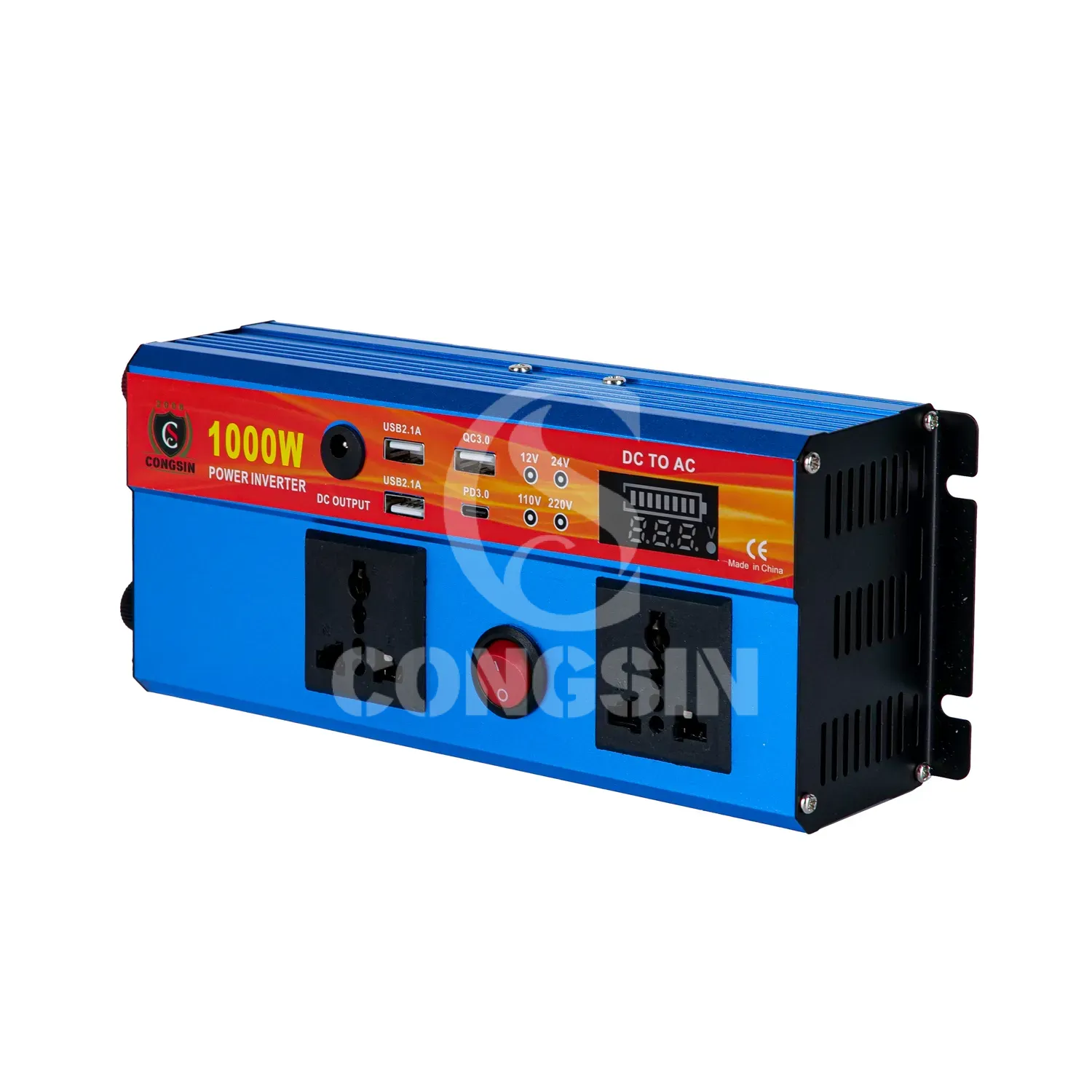
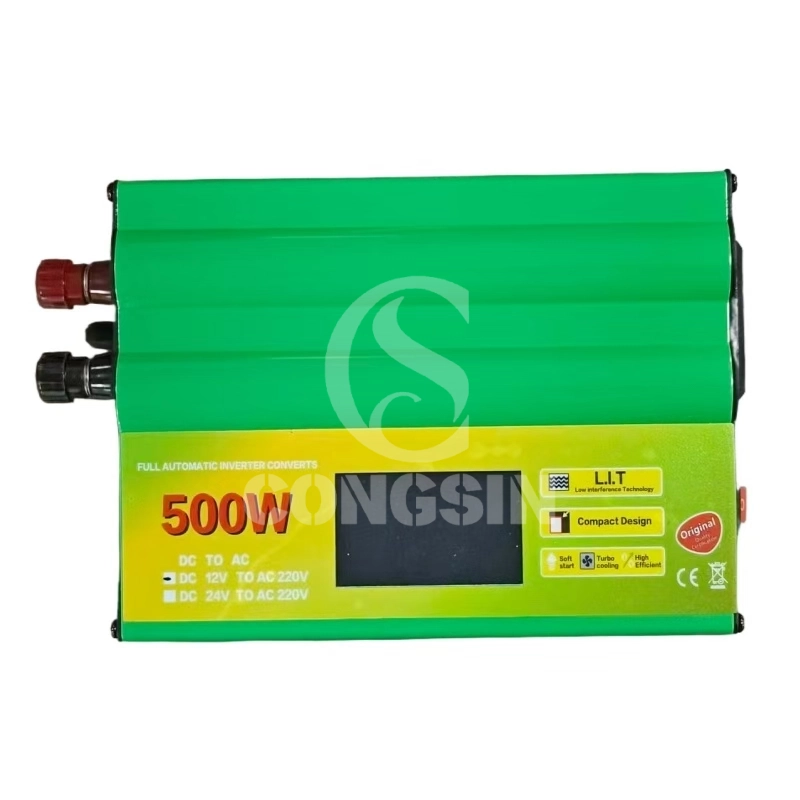
Modified Sine Wave Inverters
Can this inverter support both 12V and 24V inputs
Yes, it can work with different voltage systems via selectable input terminals.
What capacity battery can be used with it?
It is recommended to use a 12V 100Ah-200Ah lead-acid battery or lithium battery; the larger the battery capacity, the longer the UPS power supply time (e.g., a 100Ah battery can support a 100W device to work continuously for about 10 hours).
What devices can be powered by this inverter?
Suitable for TVs, fans, computers, and small tools.
Which country’s voltage standards does it support?
It defaults to AC 220V output, suitable for regions with 220V voltage standards such as China and Europe; it can also be customized to output AC 110V, suitable for regions with 110V voltage standards such as the United States and Japan.
Pure Sine Wave Inverters
Does it have a charging (UPS) function?
No, this model is a pure inverter without UPS function.
Get in Touch with Our Team
You can also communicate with us directly through our online contact form. Please fill in the following information, and our team will contact you as soon as possible after receiving your message.

CONGSIN is a trusted OEM factory for power inverters, solar charge controllers, and DC converters. Reliable solutions for global B2B buyers.
 High Quality
 7/24 Service
 Guaranteed Warranty
© 2025 Congsin. All Rights Reserved.